
Energy storage system technology stack

05 / Energy storage

Storage that makes renewable power dispatchable

Lithium iron phosphate systems from 10 kWh homes to 4.47 MWh containers, with battery management, thermal control and energy software.

05 / Storage technology

An integrated technology stack for energy storage

Electrochemistry, power electronics and software work together to turn battery capacity into controllable energy infrastructure.

  • Energy management

    Site-level scheduling, tariffs, operating data and remote services.

  • System & power control

    Inverters, operating modes, electrical interfaces and power conversion.

  • Battery management

    Sensing, balancing, state estimation, diagnostics and protection.

  • Battery & thermal system

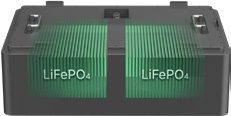
    LiFePO4 modules, structures, electrical protection and liquid cooling.

Energy storage system technology stack
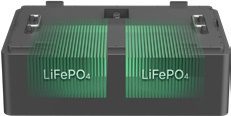
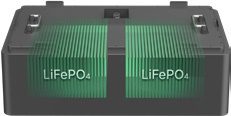
LiFePO4 battery cell

05 / Residential storage

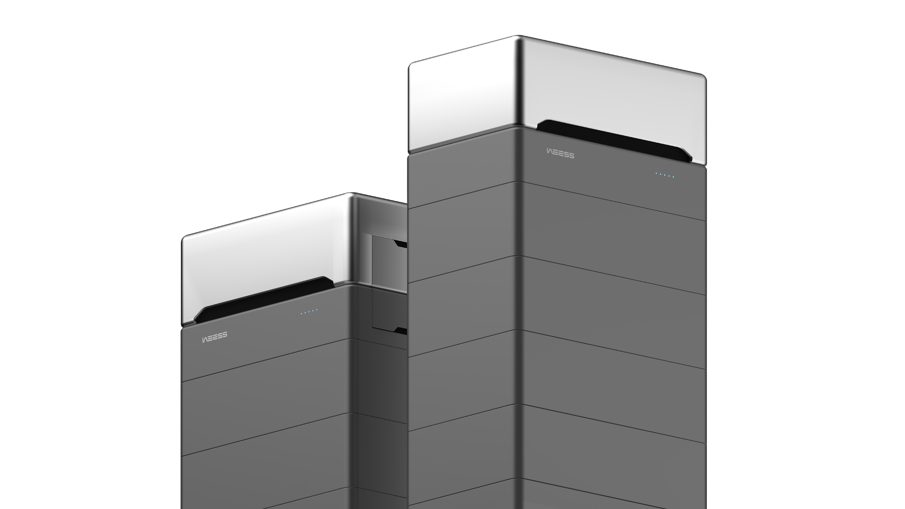
Residential storage designed as a modular system

Combine rooftop generation, battery modules, inverter technology and intelligent controls around household energy needs.

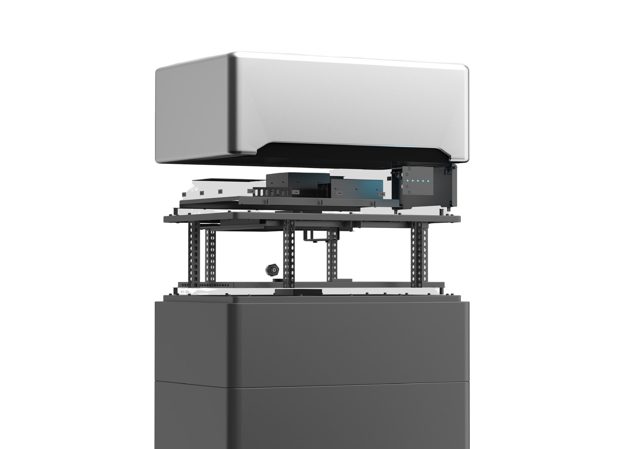
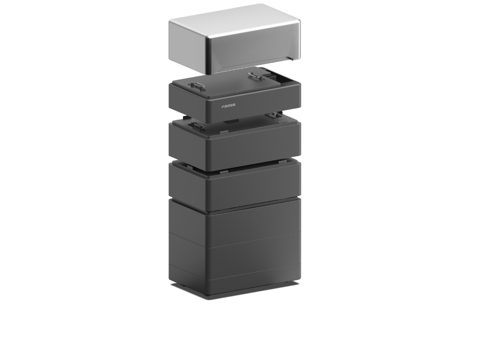
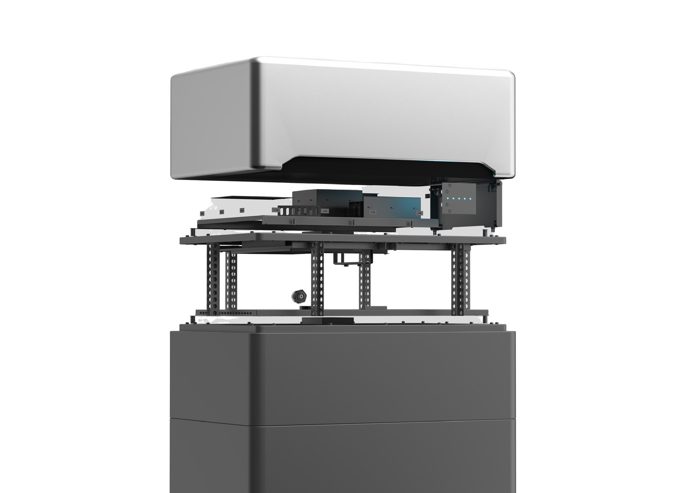
Stacked residential battery modules

Stacked battery modules make configuration and installation more flexible. Battery management, power conversion and structural design are coordinated with the PV system, enabling storage to become part of the home energy architecture.

Rated energy
10.24 / 15.36 / 20.48 kWh
Rated DC voltage
204.8 / 307.2 / 409.6 V
Enclosure protection
IP65
Operating temperature
0 to 54 °C
Battery chemistry
Lithium iron phosphate
Installation concept
Modular stacked arrangement
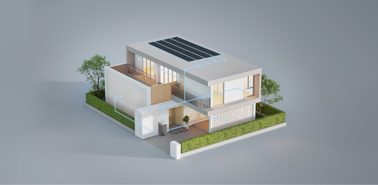
House with rooftop solar panels

Configuration-specific. Final supply parameters follow the approved technical specification.

Layered protection from battery module to system

Protection functions are distributed across sensing, control and electrical hardware rather than concentrated in a single device.

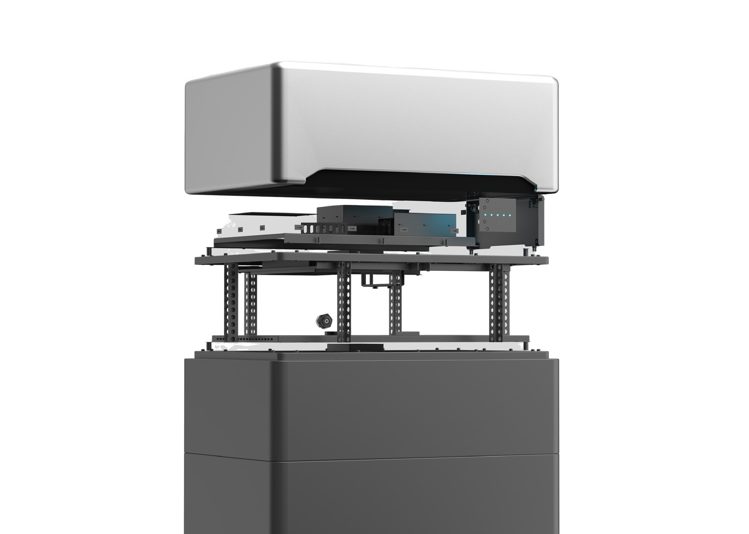
Battery module assembly

Measure

Voltage and temperature sensing, insulation monitoring and battery-state information.

Battery module detail

Manage & protect

Cell balancing, charge/discharge control, and overvoltage, overcurrent and temperature protection with fuses at pack and system level.

Battery cell

Integrate

Mechanical design, thermal behaviour and electrical interfaces engineered as one assembly.

Solar-storage in everyday living environments

Modern apartment building exterior

Apartments

Coordinate shared generation, electrical distribution and available installation areas with the needs of multiple households.

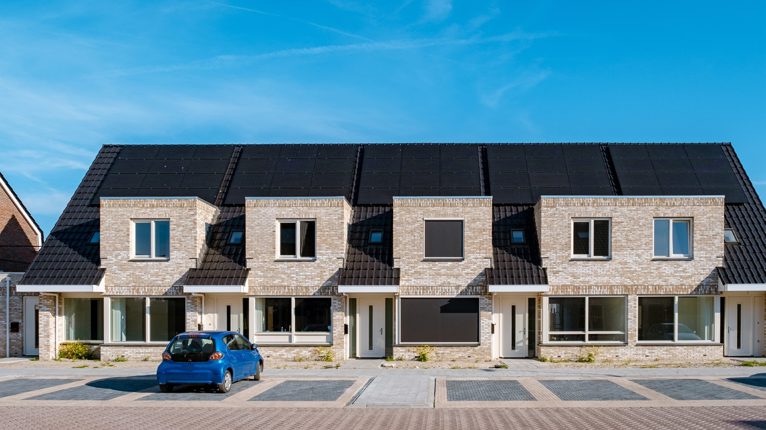
Row of modern houses with solar panels

Villas and detached homes

Combine rooftop PV and modular storage to improve on-site use of solar electricity and provide an energy-management foundation.

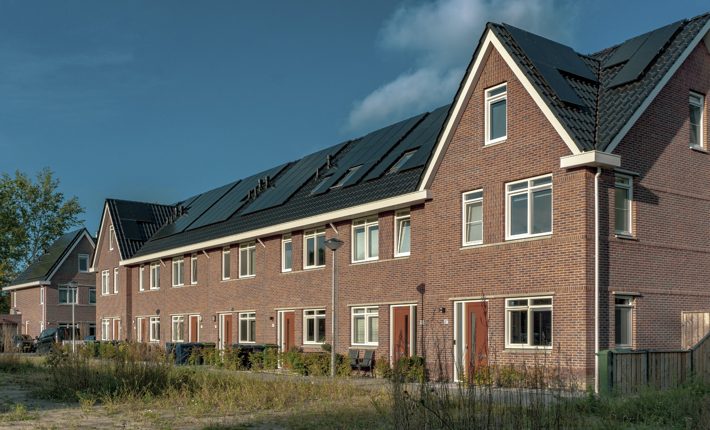
Residential houses with solar panels

Residential communities

Consider repeatable deployment, maintenance access and the role of digital services across a portfolio of homes.

05 / Commercial & industrial storage

Cabinet systems for commercial and industrial sites

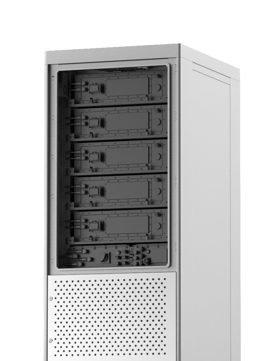
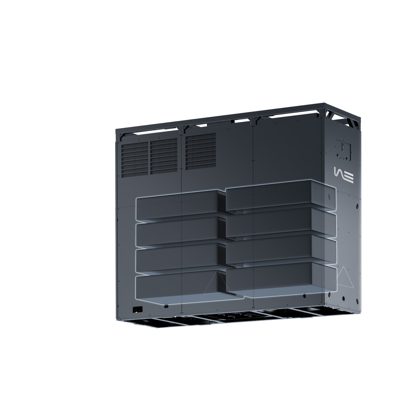
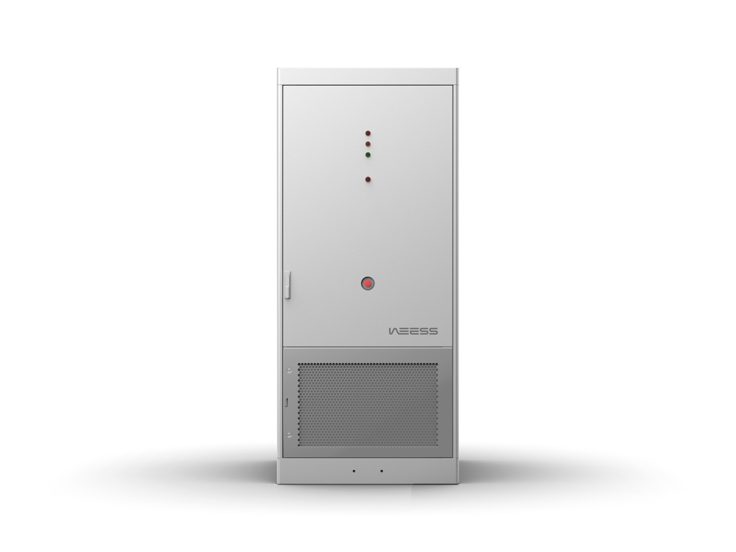
105 kWh compact cabinet
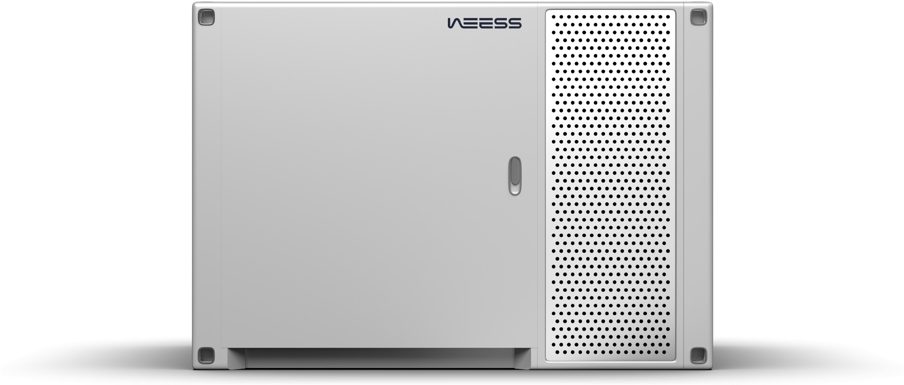
105 kWh energy storage cabinet
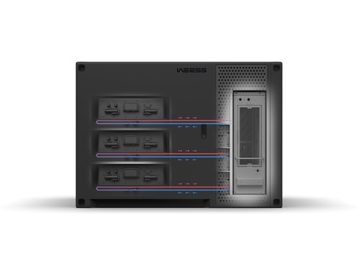
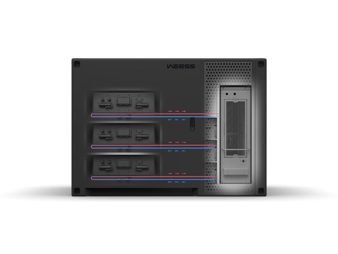
System configuration diagram
Rated energy
105 kWh
Rated DC voltage
460.8 V
Dimensions (W × D × H)
1,360 × 1,250 × 1,200 mm
Weight
1,200 kg
Cabinet protection
IP65
Battery-pack protection
IP67

Liquid cooling supports temperature control within the battery system. The cabinet concept emphasises compact deployment, relocation flexibility and robust mechanical design.
232 kWh liquid-cooled cabinet

232 kWh commercial storage cabinet
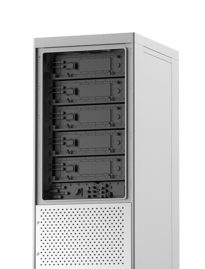
Modular cabinet interior
Rated energy
232 kWh
Rated DC voltage
832 V
Dimensions (W × D × H)
1,050 × 1,350 × 2,400 mm
Weight
2,300 kg
Enclosure protection
IP55
Operating temperature
−30 to +50 °C

Multiple-cabinet arrangements are determined by grid mode, site requirements and control design, with liquid cooling, battery monitoring and fire-protection design coordinated within the system.

Thermal control and protection are system-level functions

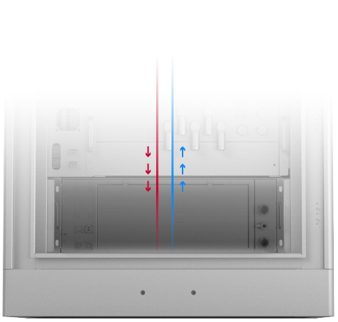
Battery assembly with liquid cooling

Control temperature

Liquid cooling manages heat removal and limits temperature differences within the battery assembly.

Battery condition monitoring

Observe condition

Voltage, current and temperature measurements underpin state estimation, alarms and operating control.

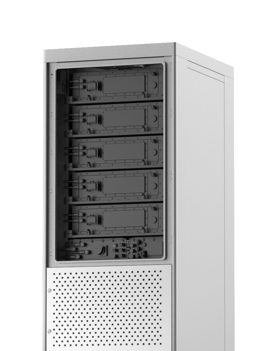
Battery rack

Isolate faults

Electrical protection and control logic coordinate responses to abnormal operating conditions.

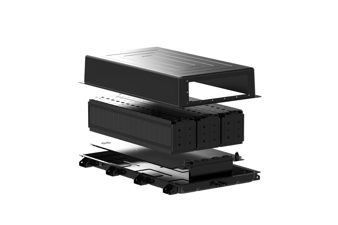
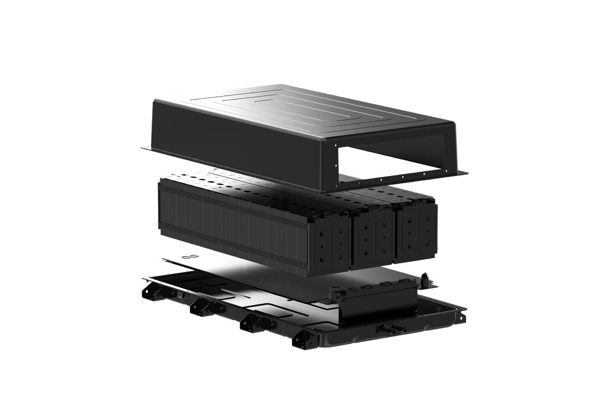
Exploded view of a battery module

Design for maintenance

Module access, structural interfaces and diagnostics support servicing throughout the operating life.

05 / Utility storage

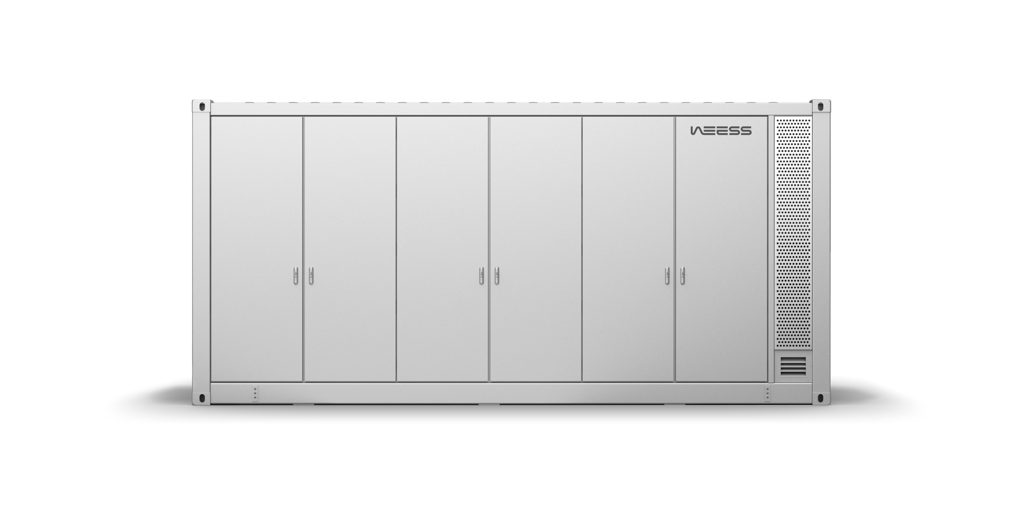
4.472 MWh in a containerized system

Containerized storage packages substantial battery capacity within a prefabricated system architecture.

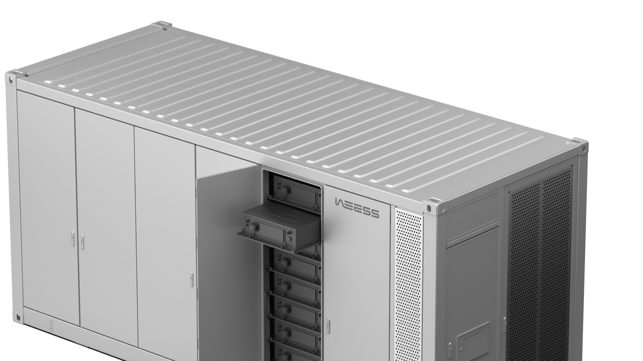
Containerized battery energy storage system
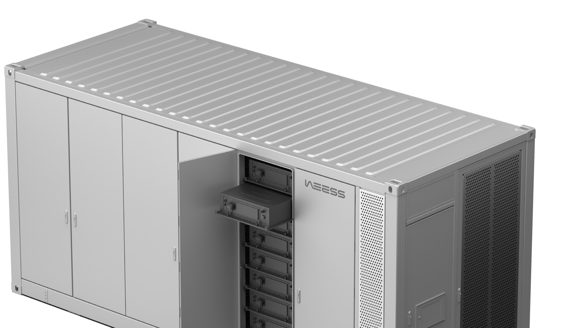
Container interior
Containerized storage unit detail
Rated energy
4,472 kWh
Rated DC voltage
1,331.2 V
Dimensions (W × D × H)
6,058 × 2,438 × 2,896 mm
Weight
Approx. 42 tonnes
Protection
IP54
Operating temperature
−20 to +50 °C

Battery assemblies, thermal management and electrical protection are integrated within a containerized enclosure. Application design determines the power-conversion system, grid interface, operating strategy and site balance of plant.

Site and system interfaces are project-specific.

Storage infrastructure for generation, grids and customers

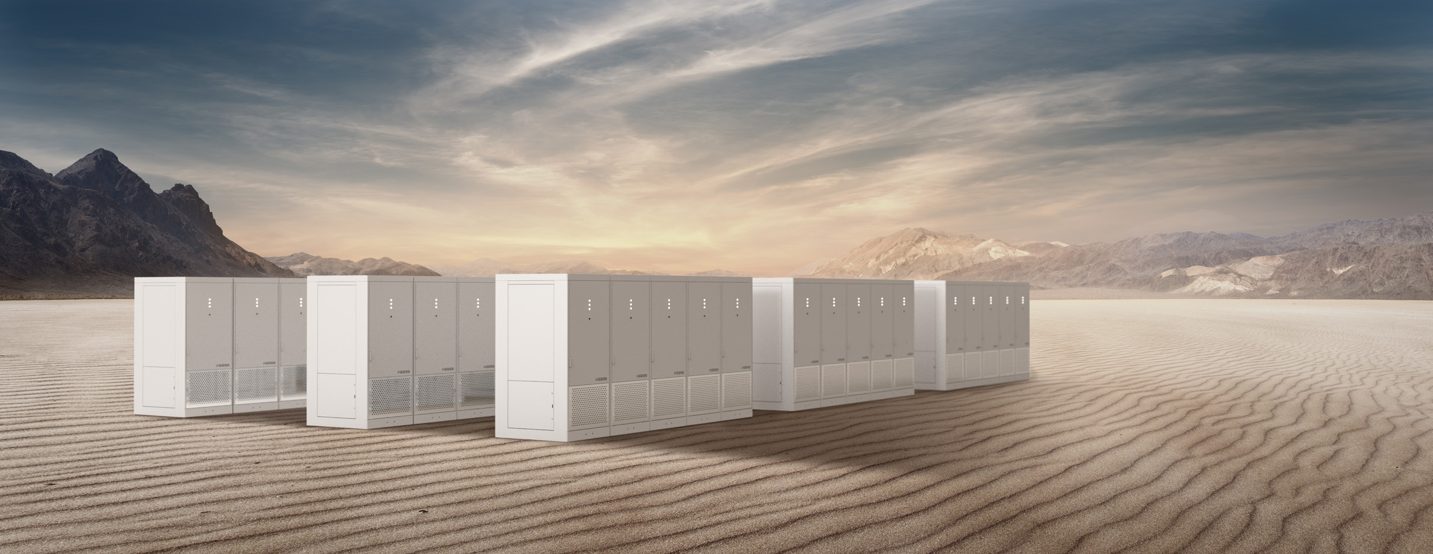
Energy storage units in desert

Generation-side integration

Manage renewable output, support energy shifting and reduce mismatches between generation and system demand.

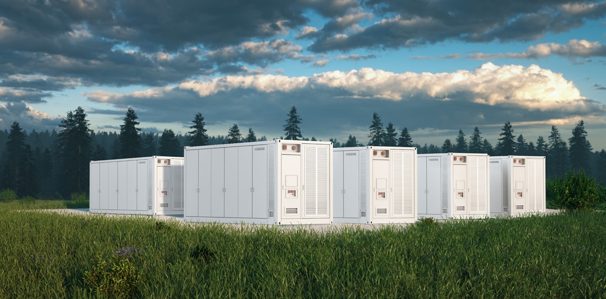
Energy storage units in a field

Grid-support applications

Assess network support, reserve capacity and operating flexibility alongside connection and electrical-protection requirements.

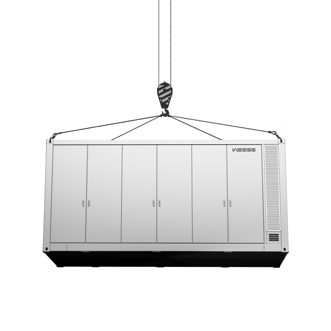
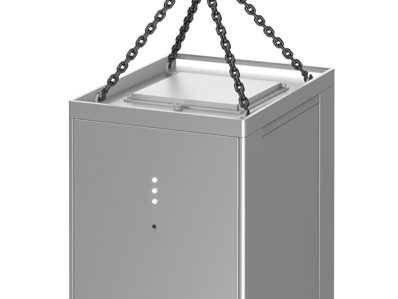
Energy storage unit being lifted into place

Customer-side energy

Load management, tariff-based charging and discharging, and backup where supported by the complete electrical design.
06 / Digital energy

From equipment data to operating decisions

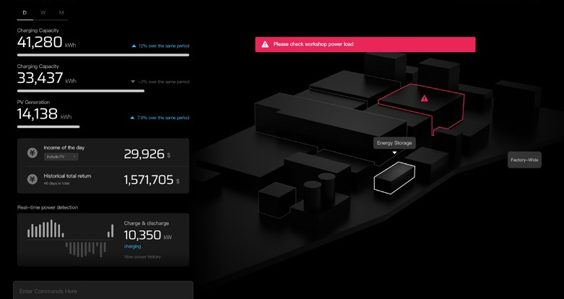
Digital energy management links project configuration, device monitoring and site-level operating strategies.

Energy management interface

Configure the project

Support equipment selection, deployment planning and investment modelling.

Monitor the assets

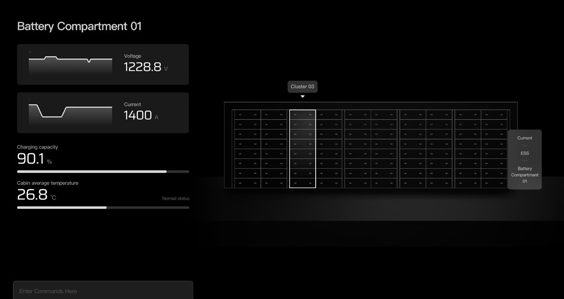
Collect operating data and organise equipment status, alarms, battery conditions and maintenance information.

Optimize the strategy

Coordinate charging and discharging with renewable output, load and tariff conditions.

Battery compartment monitoring screen
Energy operations dashboard

Interface and operating-environment illustrations

Battery intelligence across multiple control layers

LiFePO4 battery module
BMS control assembly
  • Sensing

    Cell voltage | Temperature | Current | Insulation

  • Estimation

    State of charge | State of health | Energy and power capability

  • Control

    Balancing | Charge/discharge limits | Relay and thermal coordination

  • Diagnostics

    Fault classification | Alarm output | Fault response and recovery

07 / R&D and manufacturing

Connecting product development with manufacturing

Product engineering, manufacturing teams and facility planning translate technical designs into integrated storage equipment.

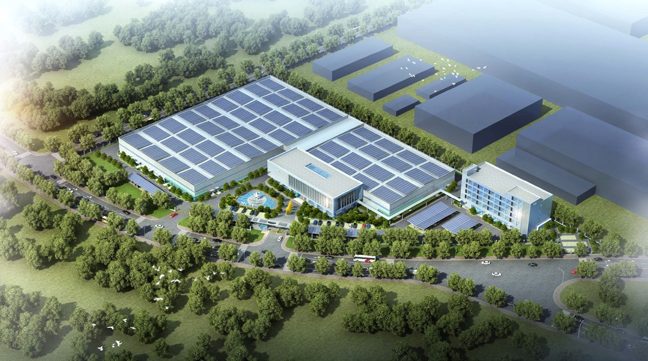
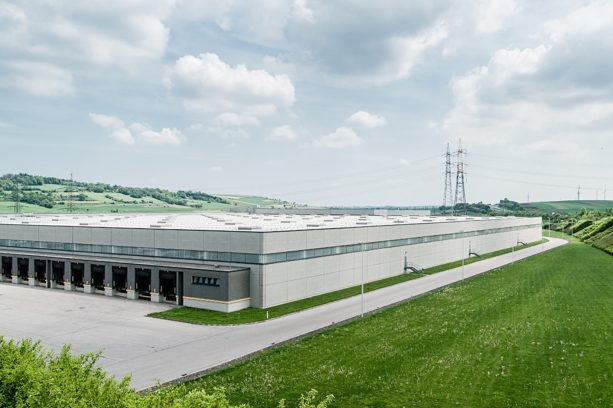
Manufacturing facility

Manufacturing facility

Product and manufacturing engineering team

Product and manufacturing engineering team

Integrated facility planning

Integrated facility planning

Industrial building

Industrial building

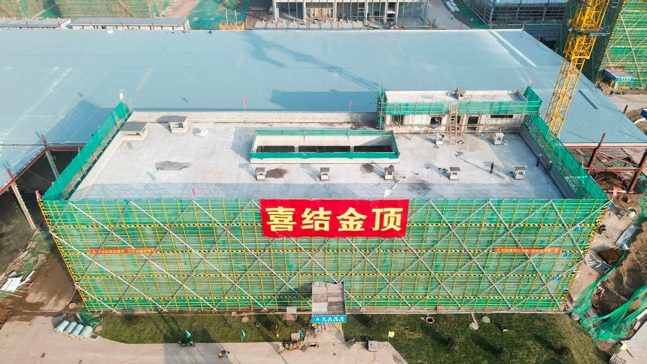
Facility construction progress

Facility construction progress

Modular product architecture

Modular product architecture

Quality begins with design and continues through operation

Team in the factory
Battery cabinet
Containerized battery system
  1. 01

    Design review

    Requirements, operating conditions, interfaces and product configuration.

  2. 02

    Manufacturing integration

    Battery assemblies, structures, thermal systems, protection and controls.

  3. 03

    Functional verification

    Electrical interfaces, monitoring, control behaviour and protection checks.

  4. 04

    Site readiness

    Installation, commissioning, handover information and maintenance.

07 / Industrial energy

Industrial storage planned around a portfolio of loads

A multi-site chemical-industry configuration illustrates how storage can be phased across energy-intensive facilities.

Aerial view of an industrial facility

82.2 MW

Overall planned storage power

164.5 MWh

Overall planned storage energy

6.9 MW / 13.76 MWh

First-phase configuration

Industrial building exterior
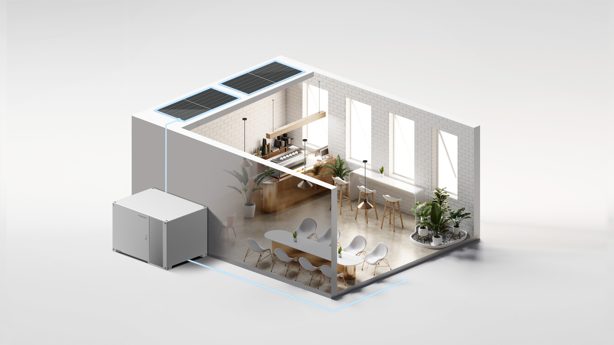
Interior space with an energy storage unit

The project concept covers eight chemical plants, with an initial phase providing a smaller implementation boundary within the wider portfolio plan. These figures describe a project plan, not completed delivery.

Source, grid, load and storage in one operating model

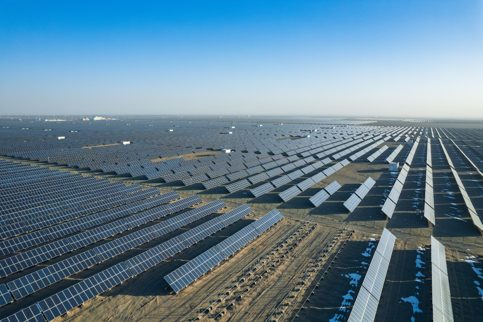
Solar farm

Renewable generation

Solar and wind resources provide clean generation.

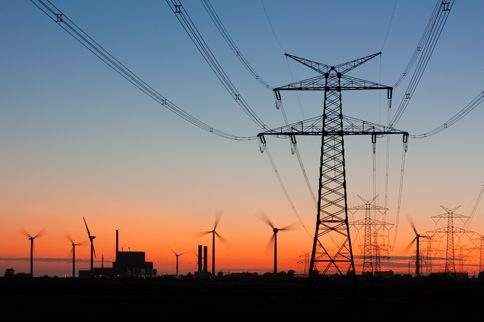
Electrical transmission towers

Network infrastructure

Collection, substations and grid connections link the system.

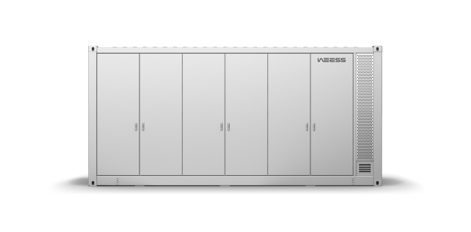
Energy storage container

Energy storage

Battery capacity and controls add time-based flexibility.

Industrial facility

Customer demand

Industrial and commercial loads shape the operating strategy.

Energy infrastructure for low-carbon logistics

Battery storage unit
Exploded view of battery pack components
Charging station in a landscape
Energy management control room

Pack structures, BMS, electrical interfaces and thermal design underpin commercial-vehicle battery applications, while prefabricated charging and swapping concepts connect vehicle energy needs with site power capacity and operating routines.

Contact

Building the next energy system.

Solar investment. Wind investment. Grid engineering. Energy storage R&D, manufacturing and intelligent operations. Tell us about your site, load profile or project stage and our engineering team will respond with a suitable configuration.

Company
JUNO POWER CORPORATION
Capabilities
Solar & wind investment · Grid engineering · Storage R&D and manufacturing · Digital energy operations

Send an enquiry